Atmospheric Adaptation
Atmospheric Adaptation
The Complete Guide to Surviving Any Atmospheric Environment
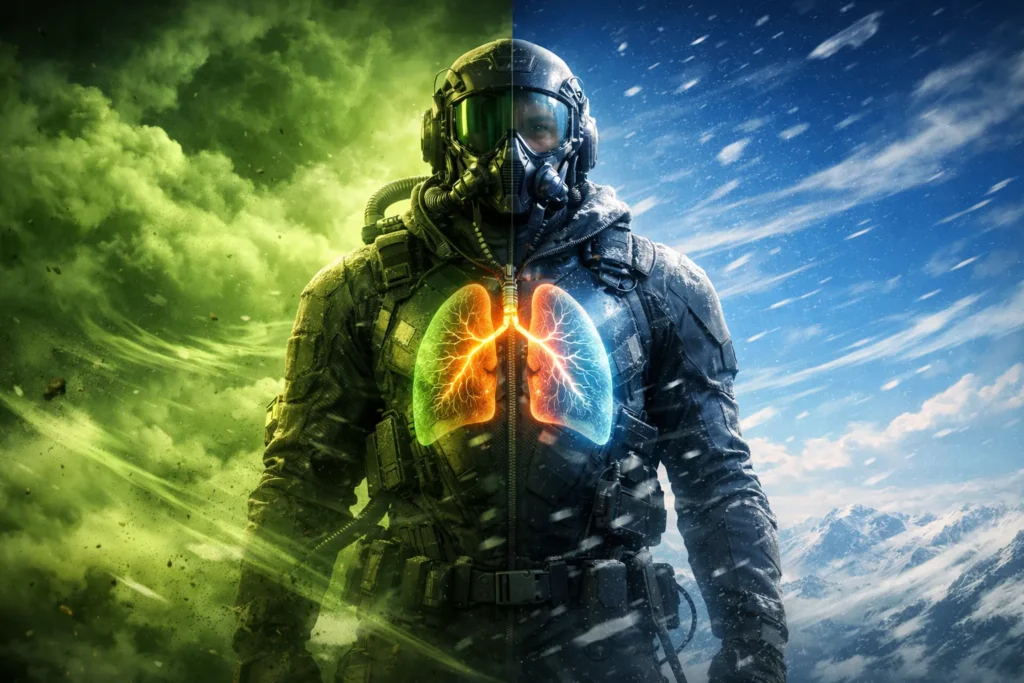
Atmospheric Adaptation is a powerful ability that allows a person or creature to instantly adjust to any atmospheric condition. This includes environments with low oxygen, toxic gases, high altitude air pressure, or unusual atmospheric compositions. In fiction and speculative science, this power represents the ultimate survival trait for beings that must travel across dangerous environments such as mountains, polluted cities, alien planets, or even near-space conditions.
The concept of atmospheric survival is often connected to other abilities like Atmosphere Manipulation and Environmental Adaptation, which involve controlling or adjusting to the surrounding environment. However, Atmospheric Adaptation focuses specifically on the body’s ability to breathe and function under different atmospheric conditions.
In most stories, characters with this ability can walk through poisonous gases, survive extreme altitudes, and even function in thin or unstable air without suffering from oxygen deprivation. This makes the power extremely valuable in both exploration and combat situations.
Also Called
Atmospheric Adaptation may appear under different names depending on the universe or story. Some terms focus on the respiratory aspect of the ability, while others emphasize environmental survival.
Common alternative names include:
- Alternative Respiration
- Lung Adaptation
- Advanced Respiratory Evolution
- Atmospheric Resistance
These terms highlight how the body adapts to dangerous air conditions by altering the way oxygen and gases are processed.
Capabilities of Atmospheric Adaptation
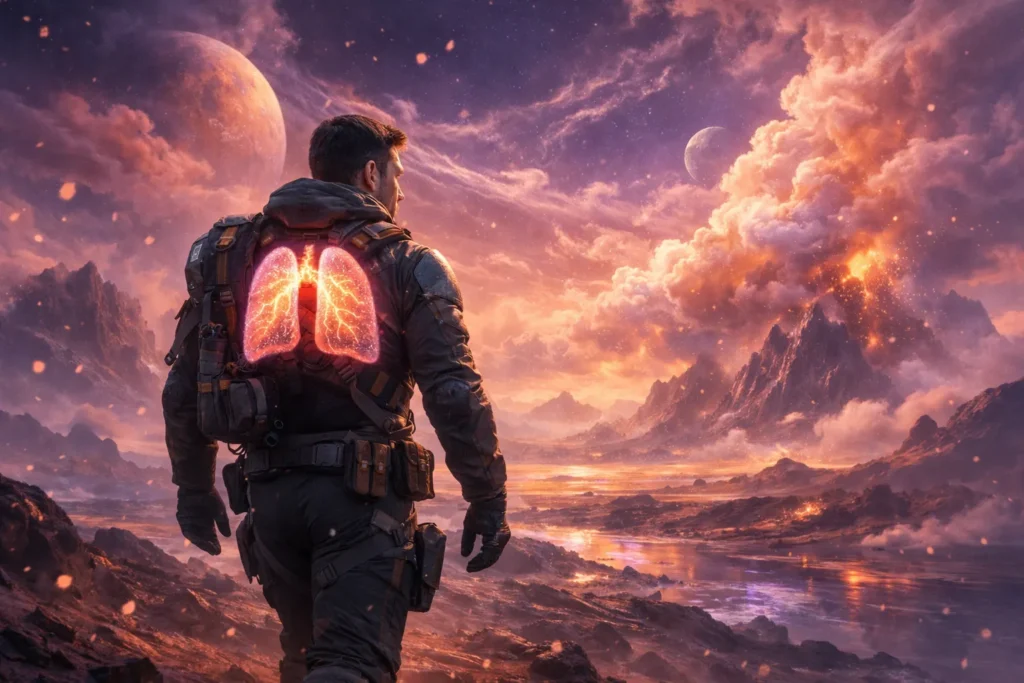
The main strength of Atmospheric Adaptation lies in the respiratory system. A user’s lungs become capable of adjusting to almost any type of atmospheric environment.
Instead of relying on standard oxygen levels like normal humans, their body can process a wide range of gases or survive with extremely limited oxygen. This means environments that would normally be deadly—such as polluted air, volcanic gas clouds, or thin mountain air—become survivable.
The lungs of an adapted individual can filter out harmful particles and contaminants. Dust, smoke, and toxins that would normally damage the lungs can be neutralized or ignored. This allows the user to breathe safely even in heavily polluted environments.
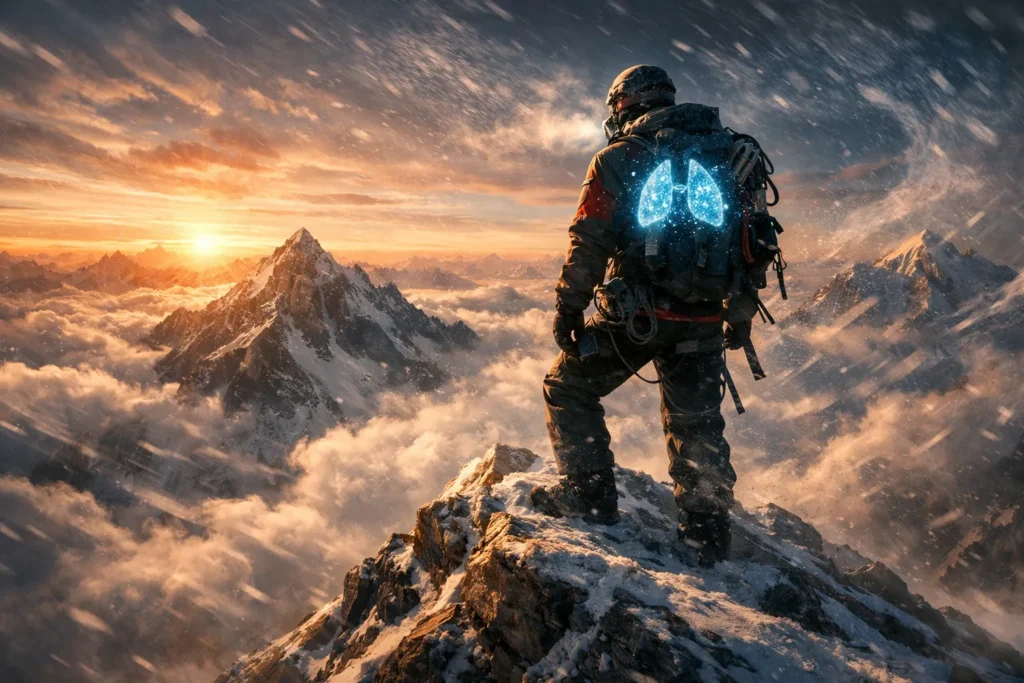
This power also helps prevent suffocation in extreme locations. In places with very low oxygen levels, such as high mountains or alien atmospheres, the body automatically adjusts breathing efficiency.
Other common abilities connected with Atmospheric Adaptation include:
- Enhanced Breath
- Regenerative Healing Factor
- Environmental Adaptation
- Air Purification
Together, these traits create a respiratory system that is far stronger and more adaptable than that of a normal human.
How Atmospheric Adaptation Works
In fictional explanations, Atmospheric Adaptation usually works through rapid biological adjustment. The lungs and respiratory system instantly change their structure to suit the surrounding atmosphere.
This adaptation can include several biological improvements:
- Increased lung capacity
- Stronger oxygen absorption
- Advanced toxin filtration
- Resistance to pressure changes
- Improved breathing efficiency
In some stories, the body may even develop temporary biological modifications to survive unusual atmospheric conditions. For example, a character might temporarily alter how their lungs process oxygen or develop protective tissues to block toxins.
These rapid adjustments allow the user to move between completely different environments without experiencing respiratory failure.
Applications of Atmospheric Adaptation
Atmospheric Adaptation has many practical uses in fictional worlds. Because it allows survival in extreme conditions, the power is often associated with explorers, warriors, and supernatural beings.
One of the most obvious applications is Aerial Adaptation, which allows characters to survive at extremely high altitudes. Thin mountain air can cause severe breathing problems for normal humans, but adapted characters can function normally.
Another important application is Vacuum Adaptation, which allows limited survival in near-vacuum environments where breathable air is scarce or nonexistent.
The ability also works well with powers like Air Manipulation, which lets characters control air currents and atmospheric pressure. When combined, these powers allow a user to dominate aerial environments.
Other useful applications include:
- Flight in unstable atmospheric conditions
- Aquatic Breathing for underwater survival
- Pressure Resistance in deep ocean or high altitude environments
- Planetary Adaptation when exploring alien worlds
- Thermal Resistance against extreme temperatures
These applications show why Atmospheric Adaptation is often considered a foundational survival power in science fiction and fantasy stories.
Connection with Other Adaptation Powers
Atmospheric Adaptation rarely appears alone. It is usually connected with other adaptation abilities that help characters survive in harsh environments.
For example, Environmental Adaptation allows the body to adjust to different climates and terrain. When combined with Atmospheric Adaptation, the character can survive both the environment and the atmosphere.
Similarly, Mountain Adaptation helps individuals survive extreme altitudes, cold temperatures, and thin air. When paired with atmospheric adaptation, the user becomes almost immune to altitude sickness.
Another related ability is Dragon Physiology, which often includes powerful lungs capable of breathing in toxic gases or producing destructive breath attacks.
Additional connected abilities may include:
- Dermal Armor for protection against environmental damage
- Aerokinetic Touch for controlling air movement
- Aeromancy for magical manipulation of wind and atmosphere
- Speed/Enhanced for moving quickly through aerial environments
These abilities combine to create characters that can dominate sky-based environments and survive conditions that would kill ordinary humans.
Limitations
Although Atmospheric Adaptation is extremely powerful, it still has some limitations. These restrictions help maintain balance within fictional universes and prevent the ability from becoming unstoppable.
One major limitation is the need for some type of breathable medium. While the body can adjust to different gases, it still requires some form of atmospheric substance to process.
This means that a complete vacuum without adaptation support may still pose a danger. Without any gas molecules present, the respiratory system has nothing to convert into usable energy.
Another limitation involves the user’s overall physiology. Even if the lungs can adapt to extreme environments, other parts of the body may still experience stress from temperature changes, radiation, or pressure.
Some stories also limit the speed of adaptation. If the environmental change happens too suddenly, the body may need time to adjust.
These limitations create strategic challenges and make the power more interesting within storytelling.
Known Users of Atmospheric Adaptation
Many fictional characters across different media demonstrate abilities related to Atmospheric Adaptation. These characters often survive environments that would normally be impossible for humans.
Examples of known users include:
- Soldier Boy
- Asura
- Vampires
- Doctor Blight
- Bianca Karina
- Air Elementals
- Ghost-type entities
- Naruto Uzumaki
- Ghostfreak
- Ectonurites
Each of these characters demonstrates different aspects of atmospheric survival. Some rely on supernatural biology, while others gain the ability through mutations, magic, or advanced technology.
For example, Bianca Karina is able to survive in noxious gas environments without suffering from poisoning. This demonstrates how Atmospheric Adaptation allows the body to filter toxic substances and continue functioning normally.
Known Objects
Certain objects in fictional stories can grant or support atmospheric survival abilities.
One example is a filtration device designed to remove toxins from the air. These devices can simulate the effects of Atmospheric Adaptation by purifying the surrounding atmosphere.
Another type of object includes advanced breathing systems or environmental suits. These tools allow characters without natural adaptation abilities to survive in extreme atmospheric conditions.
Such objects are often used in science fiction to help humans explore alien planets or hazardous environments.
Why Atmospheric Adaptation is Important in Fiction
Atmospheric Adaptation plays a major role in storytelling because it expands the environments characters can explore.
Without this ability, many dangerous locations would remain inaccessible. Toxic atmospheres, high mountains, alien planets, and volcanic regions would all be impossible for characters to survive.
By introducing atmospheric survival abilities, writers can create stories set in extreme environments. This opens the door to adventures in space, underwater worlds, and hostile planetary ecosystems.
It also creates dramatic tension. Even powerful characters must still navigate environmental dangers, and adaptation powers help them survive while maintaining a sense of realism.
The Science Inspiration Behind Atmospheric Adaptation
Although Atmospheric Adaptation is mostly fictional, it is inspired by real biological adaptations found in nature.
Many animals have evolved to survive in extreme atmospheric conditions. For example:
- Mountain animals can breathe efficiently in thin air.
- Deep-sea creatures survive under enormous pressure.
- Certain insects and microbes can tolerate toxic environments.
These natural adaptations show that life can evolve to survive in very harsh environments.
Fiction simply takes this idea further by imagining humans or creatures that can instantly adjust to any atmospheric condition.
Atmospheric Adaptation in Popular Media
This power appears frequently across comics, anime, video games, and science fiction stories.
Characters with this ability often serve as explorers or warriors capable of traveling through extreme environments. Their powers allow them to fight enemies in unusual locations such as volcanic craters, polluted cities, or alien landscapes.
In superhero stories, Atmospheric Adaptation often appears as a secondary power supporting larger abilities like flight or elemental control.
For example, characters who manipulate air often require atmospheric adaptation to survive the environments they create.
Conclusion
Atmospheric Adaptation stands as one of fiction’s most versatile survival abilities, allowing characters to endure and thrive in extreme atmospheric conditions that would normally be fatal. From toxic gas environments to high-altitude mountains and unstable air pressure zones, this power represents the ultimate mastery of breathable environments and atmospheric survival.
The true strength of this ability lies in respiratory evolution—enhanced lungs, filtration of harmful particles, resistance to pressure changes, and the capacity to survive where oxygen is scarce. When combined with related abilities such as Aerial Adaptation, Vacuum Adaptation, Air Manipulation, and Flight, atmospheric adaptation transforms its user into a highly resilient being capable of navigating dangerous skies, alien planets, or polluted environments.
However, like many powerful abilities in fiction, atmospheric adaptation also comes with limitations. Users often still require some form of gaseous medium to breathe, and extreme environments without any atmosphere may still pose challenges. These constraints create strategic depth and prevent the power from becoming completely unstoppable.
Whether depicted through advanced physiology, supernatural powers, or evolutionary mutations, atmospheric adaptation reflects humanity’s fascination with conquering the skies and surviving the harshest environments imaginable. Across comics, anime, games, and mythology, this ability demonstrates that true power comes from adapting to the world around you and turning the atmosphere itself into an ally.