Animal Hybridization Superpower
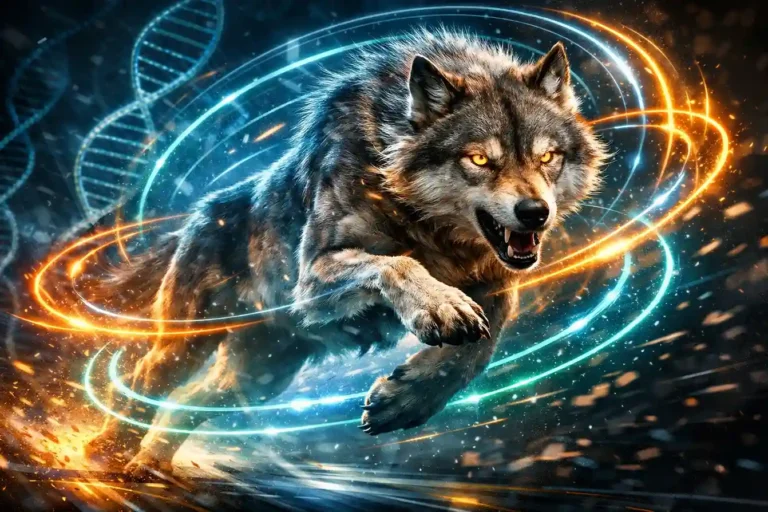
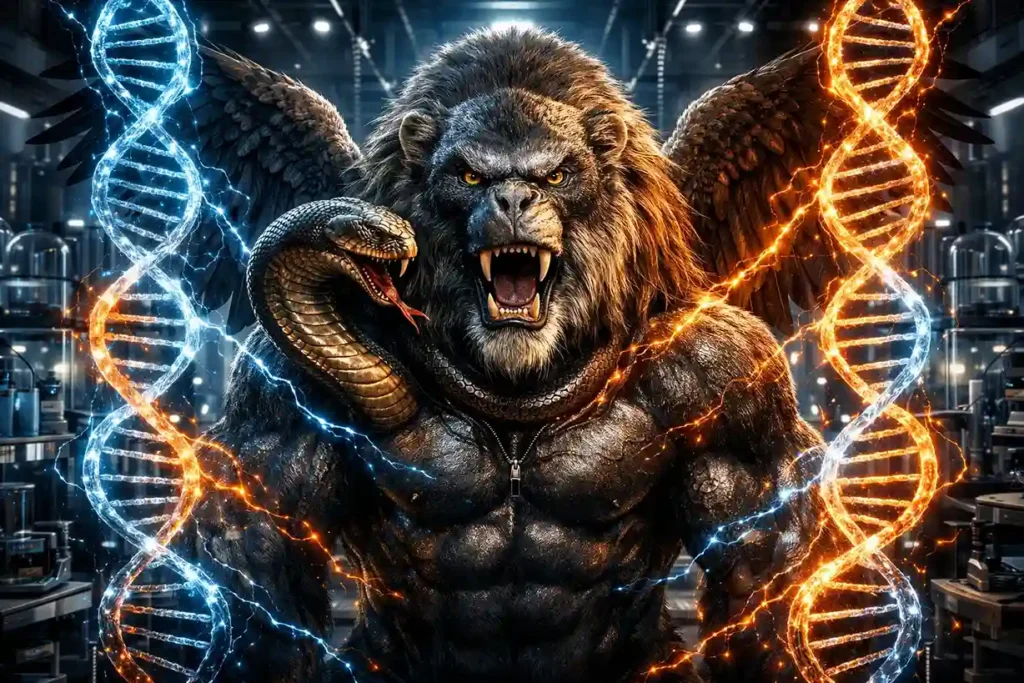
Animal Hybridization is an extraordinary superpower involving the merging of different animal forms and traits into a single, unique being with combined abilities. This transformation creates powerful new creatures with enhanced strength, speed, and senses that go far beyond single species limitations. Users gain unique skills like flight, venom, and camouflage that prove essential for combat and survival. The ability stems from either genetic manipulation or inherent physiology, manifesting through Animal Fusionism (merging into one form), Hybrid Physiology (possessing inherent mixed traits), or Animal Morphing (transforming into various animal combos). This versatility and power essentially rewrites biological boundaries, granting access to abilities normally separated across nature.
Explore More : Bone Manipulation
Capabilities & Core Abilities
Selective Trait Expression
Users can express singular traits like claws, night vision, scent tracking, quills, or armored plates without a full-body change. This precision keeps silhouettes inconspicuous while delivering tactical edges in real-world situations.
Multi-Species Stacking
Beyond one-to-one morphs, the adept stack features from multiple species simultaneously—mantis shrimp forelimb acceleration with turtle-shell plating, owl silent-flight feathers combined with feline balance. Composite forms excel in niche scenarios where single animal attributes would be suboptimal.
Enhanced Sensory Perception
Eagle-grade acuity, canine olfaction, bat echolocation, shark electroreception, and pit-viper infrared perception expand situational awareness far beyond human baselines. Hybrid neural overlays bring reflexive hunting patterns and superior proprioception. Users can draw animal empowerment from contact with beasts, becoming stronger and faster when surrounded by animal lifeforce energy.
Multi-Terrain Mobility
Wings enable short-range flight and gliding, Webbed extremities plus gills provide aquatic speed and underwater breathing capabilities. For characters requiring complete aquatic adaptation, hybrid physiology can incorporate fish, shark, or amphibian traits for total marine dominance
Offensive and Defensive Adaptations
Talons, horns, antlers, beaks, venomous spurs, stings, barbs, and exoskeletal reinforcements offer scalable offense and defense options. Keratin and chitin layers augment blunt- and slash-resistance effectively.
Regenerative and Adaptive Functions
Some variants grant rapid healing resembling lizard tail-regrowth or planarian-like tissue repair. Adaptive thermoregulation and temporary toxin filtration emerge from amphibian and insect templates.
Transformation States
Partial transformations maintain most human features with targeted augmentations, whereas Full hybrids approach anthropomorphic animals with extensive structural modifications including skeletal reconfiguration. Advanced users demonstrate bone manipulation capabilities, reshaping their skeleton to accommodate quadrupedal movement, claws, or additional limbs.
Types of Animal Hybridization
Trait-Based Hybridization
This form of superpowers allows users to selectively adopt specific traits from various species without complete transformation. The abilities gained include enhanced senses that surpass human limitations, natural weapons like razor-sharp claws and potent venom, plus unique movement capabilities such as flight, rapid swimming, and sophisticated camouflage. These targeted adaptations prove invaluable for specialized skills in combat, survival, and general utility scenarios.
Complete Form Transformation
Full transformations create beastfolk or anthroforms by blending distinct animal features with human physiology. This resulting state produces powerful, adaptive beings that maintain cognitive function while accessing other animal physiology advantages. The fusion approach grants comprehensive access to all biological systems of chosen creatures simultaneously, making it ideal for situations demanding complete species integration rather than partial adaptation.
Famous Animal Hybrid Variations
Mythological Hybrids
Ancient civilizations created powerful hybrid creatures to explain mysteries and embody divine forces. The Griffin combines eagle and lion traits, representing vigilance and divine authority. With an eagle’s head and wings paired with a lion’s body, this noble creature served as guardian of treasures and sacred knowledge across Egyptian, Persian, and Greek cultures.
The Chimera featured a lion’s head, goat’s body, and serpent’s tail, breathing fire and causing destruction. This fearsome Greek monster symbolized chaos and untamed nature. The Sphinx merged a lion’s body with a human head, symbolizing wisdom fused with strength, guarding sacred spaces with riddles that tested intelligence.
The Minotaur, with its bull head and human body, represented the dangerous intersection of beast and man. Egyptian gods like Anubis bore jackal heads, while Sekhmet displayed a lion’s head on a human form, blending human intellect with animal power to express divine protection and cosmic balance.
Fictional Hybrids in Pop Culture
Modern entertainment revitalized hybrid concepts with fresh creativity. Comic books introduced characters like Beast from X-Men and anthropomorphic heroes. Movies brought creatures like Splice’s Dren and Avatar’s hybrid wildlife to vivid life. Video games expanded the concept through shapeshifters, beast races, and transformation mechanics that let players experience multiple forms.
These contemporary hybrids explore themes of identity, prejudice, and what defines humanity. They serve as metaphors for outsider experiences while delivering spectacular visual storytelling.
Anime/Manga Hybrid Characters
Japanese animation embraced animal hybridization through diverse approaches. Kemonomimi characters possess animal ears and tails while maintaining human appearance, creating a subtle blend popular in series like Wolf Children and Tokyo Mew Mew.
Inuyasha, born to a human mother and dog yokai father, represents classic half-demon hybrids. His internal conflict between human emotion and demon power drives compelling narratives. Dragon Ball’s Saiyan-human hybrids like Gohan demonstrate exceptional strength, with hybrid genetics providing advantages over pure bloodlines.
BEASTARS explores a world where carnivores and herbivores coexist, examining prejudice through animal society. Brand New Animal follows a girl transformed into a raccoon hybrid, addressing discrimination and identity. Tokyo Ghoul presents Ken Kaneki’s forced transformation into a ghoul-human hybrid, exploring the psychological trauma of unwanted change.
One Piece’s Zoan Devil Fruits grant animal transformation powers, while My Hero Academia features mutation-type Quirks creating permanent animal traits. These variations showcase hybridization as power source, curse, natural state, or evolutionary step.
Real-World Animal Hybrids
Nature and science produce actual hybrid animals through breeding. Ligers result from male lions mating with female tigers, typically growing larger than either parent species. These massive cats can exceed 1,200 pounds, though they often suffer growth abnormalities, organ issues, cardiovascular problems, and shortened lifespans.
Tigons reverse the pairing with male tigers and female lions, producing smaller offspring. Female ligers prove fertile and can mate with lions or tigers, creating second-generation hybrids, though males remain sterile following biological patterns.
Mules result from donkey stallions and female horses, prized for strength and endurance but usually infertile. Hinnies reverse this pairing with male horses and female donkeys. Zonkeys cross male zebras with female donkeys, displaying distinctive stripe patterns, while zorses pair zebras with horses.
Coywolves emerged naturally in North America, combining coyote adaptability with wolf size and pack-hunting abilities. These hybrids thrive in urban environments, demonstrating successful natural hybridization. Pizzly bears blend grizzly and polar bear traits, appearing in wild Arctic regions as climate change alters traditional territories, demonstrating natural atmospheric adaptation to extreme environmental conditions through hybridization.
Savannah cats mix domestic cats with African servals, creating exotic pets with wild appearance and dog-like behaviors. Wholphins combine false killer whales with bottlenose dolphins, though they remain extremely rare.
Most hybrid animals cannot reproduce due to genetic incompatibility and chromosome mismatches. This sterility protects parent species while limiting hybrid proliferation. However, exceptions exist where fertile hybrids create conservation concerns through genetic swamping of endangered populations.
These real-world hybrids demonstrate both nature’s flexibility and the ethical questions surrounding human-created crossbreeds. While some serve agricultural or conservation purposes, others raise animal welfare concerns that continue debating the boundaries of genetic manipulation.
Power Levels & Progression System
Level 1 — Instinctive Adopter: Your Starting Point
As a beginner, your hybrid abilities are instinctive and limited. Here’s what you need to know:
What You Can Do:
- You can manifest simple, familiar traits like claws, talons, or low-light vision for short durations.
- You can only have one trait active at a time.
- Your capabilities offer minor mobility boosts (like short leaps), basic sensory enhancement (keen smell, hearing), or modest dermal armor.
- Stamina costs are high, so use is tactical: perfect for ambush, tracking, or a quick escape, not prolonged fights.
Your Training Focus:
- Control: Master breathing and heart-rate control to trigger and stop your morph.
- Tolerance: Use repeatable drills to build tolerance.
- Safety: Learning your safe morph defaults is key for emergencies.
Level 2 — Composite Specialist
At this stage, you move beyond single traits. Your focus is on combining abilities and becoming a versatile asset.
Key Abilities:
- Stack two or three traits to create multi-trait combos.
- Use reliable mobility augments: gliding, wall-scaling, swift swimming.
- Shift your form mid-combat to adapt.
- Handle limited regeneration and toxin management.
How to Use It:
- Tailor forms to mission phases:
- Silent entry (owl senses).
- Takedown (feline claws).
- Armor (armadillo plating).
Training Focus:
- Loadout planning for any environment (urban, desert, rainforest, aquatic).
- Countermeasure awareness for hazards (sonics, cryo, fire).
- Team integration: learn to cover roles, help with hurdle clearing, and assist in extraction.
Level 3 — Apex Chimera
At this final stage, you achieve complete control, fusing multiple species into a single, powerful form.
Your New Abilities:
- Fluidly rewrite your silhouette by fusing several species.
- Rapid-state cycling between forms with negligible lag.
- Use high-end senses (sonar, electroreception, thermal) in parallel.
- Deploy specialized weapons (barbed projectiles, venom modulation).
- Access strategic morph memory with preconfigured forms for known threats.
- Your reflexes, senses, and durability scale dramatically.
Your Key Responsibilities & Training:
- Master adaptive thermoregulation and nutrition protocols for long-duration ops.
- Maintain human cognition and tactical reasoning.
- Neuro-impulse discipline is critical to prevent feral override.
- Understand the ethics of urban deployment and crowd safety.
Tactical Applications in Combat
In any combat scenario, your key strength is versatility. The tactical application of animal hybridization superpowers is the ability to adapt instantly to diverse threats and environments by adopting the most advantageous physical traits and instincts of various animals. From my own experience, the most effective strategy involves hybrid synergy, combining multiple traits simultaneously to create the optimal form for any given situation.
Offensive Dominance
For offensive applications, shifting specific limbs grants extraordinary strength like a gorilla or bear for devastating strikes, lifting heavy obstacles and debris to use as weapons or clear paths. Enhanced speed and agility, utilizing the musculature of a cheetah or peregrine falcon, provides bursts for rapid assaults, quick flanking maneuvers, and dodging incoming projectiles. Manifesting natural weaponry such as claws, fangs, or venom lets the user bypass the need for traditional armaments to inflict specialized damage, like poisoning a target. Ambush and stealth are mastered by adopting the form of a predator with heightened predatory instincts and camouflage—think a chameleon’s color change or tiger stripes—which enables silent movement, effective hiding, and deadly ambushes.
Defensive & Evasive Survival
Your defensive and evasive capabilities are about resilience and escape. Hybridizing with animals known for tough hides or exoskeletons, like rhinoceros hide or armadillo shell, enhances durability and provides resistance to physical trauma and elemental attacks. For evasion and mobility, the ability to grow wings like a hawk for flight, use gills for aquatic operations, or employ the flexibility and size manipulation of a snake or octopus allows you to escape nearly any restraint or environmental hazard. Utilizing regenerative capabilities from creatures like the axolotl or starfish provides rapid healing from injuries that would otherwise be fatal.
Strategic & Utility Advantages
Beyond direct combat, utility and strategic applications make you a complete operative. For intelligence gathering and reconnaissance, transforming into small, inconspicuous animals like flies, birds, or mice is ideal for infiltrating secure areas, observing enemy movements, and reporting back without detection. Enhanced senses come from incorporating sensory organs for specialized perception, such as a bat’s sonar, an owl’s low-light vision, or a shark’s electromagnetic sense, granting unparalleled situational awareness. Environmental adaptation is the power to survive extreme conditions—the deep ocean, arctic cold, or high radiation areas—by drawing inspiration from extremophiles and specific animal adaptations, which makes the user a universal operative. Finally, psychological warfare leverages the sheer unpredictability and monstrous appearance of a hybrid creature to induce fear and break enemy morale.
Scientific & Biological Aspects
1. Biological Mechanics of Hybrid Success
Animal hybrids form when genes mix and inherit traits from parent species, but their success depends heavily on compatibility between chromosomes. In nature, if two species are not closely related, behavioral barriers, fertility cycles, and other cycles in the environment can block interspecies breeding and cause biological differences that affect hybridization.
2. Hybrid Vigor and Enhanced Performance
On the performance side, hybrid vigor and heterosis make hybrid offspring stronger, hardier, larger, and more productive, useful, and capable of impressive strength and intelligence. A classic example I learned firsthand in farming was mules, created through a cross between donkey and horse, showing how selective breeding can unlock a genuine biological superpower.
3. Evolutionary Benefits and Genetic Variation
This advantage ties into genetic variation, which plays a key role in evolution, speciation, and the formation of entirely new species. Through natural hybridization, hybrids can drive adaptation to new environments, offering pathways that normal inheritance patterns don’t always provide.
4. Reproductive Limitations and Barriers
However, the process is not perfect. Many hybrids face limitation such as sterility, inviability, and reproductive isolation due to mismatched chromosome counts, improper pairing during meiosis, and other long-term barriers that influence their biological identity.
5. Health Downsides and Stability Issues
There are risks as well: hybrids may suffer from disease, defects, instability, shorter lifespans, and broader health downsides, showing that hybrid outcomes vary widely between different levels of compatibility.
6. Human-Driven Hybridization in Agriculture
In agriculture, humans actively facilitate and develop desirable traits through controlled environments, improving livestock, enhancing productivity, and boosting the efficiency of crops. A standout case is the high-yielding Sunandini cow in India, demonstrating how intentional hybrid breeding can reshape the livestock industry.
Psychological & Behavioral Aspects
1. Blended Psychology and Instinct
Animal hybridization creates a hybrid that inherits complex blends of instincts and motivations from parent species. These animalistic instincts enable primal combat responses, threat detection, and predatory awareness that operate faster than conscious thought
2. Conflicting and Intermediate Behaviors
Hybrids often show a mixture of conflicting behaviors due to tangled genetic instructions, producing intermediate behaviors that may be less effective than either parent. A hybrid bird with a mixed wing pattern might appear more attractive to potential mates, yet more conspicuous to predators, because of confusion in instinctual recognition cues between parents and offspring.
3. Novel Traits and Environmental Adaptations
Some hybrids develop novel behavioral traits that allow them to thrive in unique environments, a phenomenon observed in hybrid-origin sunflowers that grow in toxic soil thanks to unusual gene combinations and rapid adaptations.
4. Learning and Cognitive Performance
Research studies on F1 hybrids, like Microtus voles, show intermediate learning abilities between two parent groups, something I’ve seen exhibit firsthand in working animals with hybrid lineage.
5. Trainability and Selective Breeding
Through selective breeding, behavioral attributes such as trainability, eagerness to learn, and inherent motivation can be combined to improve performance. A strong example is Sulimov dogs, a jackal-dog hybrid breed created from domestic dog breeds for superior olfactory skills and enhanced scent ability, bred specifically for specialized tasks.
6. Limits and Behavioral Costs
Despite these benefits, hybrids can face outbreeding depression, resulting in reproductive isolation, reduction in fitness, a lack of normal mating behaviors or social behaviors, and unusual outcomes in distant populations, where such effects can manifest strongly.
Weaknesses Against Other Superpowers
1. Inconsistent Power Levels and Fluctuating Abilities
Animal hybrids often face inherent weaknesses when matched against foes with unified, potent abilities. Unlike a dedicated super-soldier who masters one singular, powerful ability, hybrid’s powers tend to fluctuate, creating Inconsistent Power Levels that leave gaps in both defense and offense. Their Reliance on the Best Fit trait means when they need bear power for a punch, they lose the velocity of a cheetah, becoming predictable compared to foes with super-speed or energy projection.
2. Vulnerability to Specialized Powers
I’ve always found it fascinating how blending Traits from different species can backfire—potentially making them vulnerable to Specialized Powers like a telepath‘s mental attack or someone wielding heat vision. For instance, a hybrid with eagle speed and bear strength might seem formidable at first moment, but they’re easily countered by Opponents who exploit thermal weaknesses in their mixed biology, which offers no specialized resistance. Genetic Swamping by Opponents with dominant powers like invulnerability or matter manipulation can overwhelm their varied, less focused defenses.
3. Mental Instability from Conflicting Instincts
What’s even more problematic is the Overload from Divergent Instincts—Conflicting animal instincts like prey drive versus predator aggression cause mental stress, indecision, and uncontrolled power surges when facing a focused opponent. This mental instability undermines their effectiveness against other powered beings who maintain clear focus and control.
4. Genetic Instability and Reproductive Limitations
Beyond combat scenarios, these hybrids suffer from severe biological constraints rooted in genetic instability and metabolic conflicts. Sterility and Reduced Fertility—especially in males, per Haldane’s Rule—render many infertile, wasting reproductive effort and limiting population growth. Combining unfit genes through Outbreeding Depression can lead to weak, unhealthy offspring with low fitness and fertility, struggling with incompatible genetic instructions that cause developmental problems.
5. Disease Susceptibility and Physiological Conflicts
Disease Vulnerability is another critical issue—as seen in cat hybrids susceptible to feline viruses, they inherit pathogens from both lineages, creating compounded disease susceptibility. Inheriting dominant defects from both parent species while lacking stable, optimized traits results in unpredictable power levels and physical deterioration. Physiological conflicts arise when high metabolism traits clash with low energy systems, causing energy drains and organ failure. Choosing the strongest trait in any given situation doesn’t guarantee true mastery or synergy just fragmented power against purebreds who possess concentrated strength.
Transformation Mechanics
Transformation mechanics define how individuals shift between human and hybrid forms. Understanding these mechanics is crucial for mastering animal hybridization powers.
Voluntary vs Involuntary Transformation
Voluntary transformation occurs when users consciously trigger their hybrid form through mental focus and willpower. Experienced hybrids can transform instantly, switching between states at will. This control allows strategic deployment in combat and everyday situations.
Involuntary transformation happens automatically in response to external factors beyond the user’s control. New hybrids often struggle with unexpected shifts triggered by stress, fear, or pain. Loss of control during involuntary transformation can lead to dangerous situations and collateral damage.
Transformation Triggers
Different hybrids respond to specific triggers:
Emotional triggers activate through intense feelings like rage, fear, or protective instincts. Anger is the most common catalyst, forcing sudden transformations during confrontations.
Environmental triggers include lunar cycles (full moon transformations), time of day, or specific weather conditions. These create predictable patterns but limit flexibility.
Physical triggers involve blood exposure, adrenaline spikes, heart rate elevation, or physical contact with certain materials. Pain and injury frequently force defensive transformations.
Conscious triggers require meditation, specific gestures, verbal commands, or mental visualization techniques. Advanced users develop personalized activation methods.
Partial Transformation Techniques
Partial transformation allows selective manifestation of specific animal traits without full body conversion.
Localized shifting transforms individual body parts—claws on hands, enhanced leg muscles for jumping, or sensory organs for tracking. This conserves energy while providing tactical advantages.
Feature isolation activates single abilities like night vision, enhanced hearing, or scent tracking while maintaining human appearance. Ideal for stealth and investigation.
Hybrid blending creates a balanced state mixing human intelligence with animal instincts and physical enhancements. Many combat specialists prefer this middle ground for maximum versatility.
Mastering partial transformation requires years of practice but offers superior control over full-body shifts.
Transformation Speed and Duration
Transformation speed varies by experience level:
- Beginners: 30-60 seconds of painful shifting
- Intermediate: 5-10 seconds of controlled change
- Masters: Instant transformation (less than 1 second)
Rapid transformations demand intense concentration and physical conditioning. Speed often determines survival in surprise attacks.
Duration limits depend on stamina and power level:
- Novices maintain hybrid form for 10-30 minutes
- Experienced users sustain transformations for several hours
- Elite hybrids remain transformed for days or permanently
Extended transformations risk losing human consciousness to animal instincts. Most users revert to human form periodically to maintain mental balance.
Energy Costs of Transformation
Every transformation drains physical and mental energy. The body undergoes cellular restructuring, bone reformation, and muscle mass redistribution—all requiring significant calories and stamina.
Initial transformation consumes the most energy, often leaving users exhausted after their first shift. Repeated transformations within short periods cause:
- Severe physical fatigue
- Mental exhaustion and reduced focus
- Increased hunger and metabolic demands
- Slower healing and recovery times
Maintaining hybrid form requires continuous energy expenditure. Partial transformations use less power than full shifts, making them more sustainable for extended operations.
Recovery requirements include high-calorie nutrition, extended rest periods, and sometimes days of recuperation after intense transformation sequences. Professional hybrids follow strict dietary regimens to fuel their abilities.
Advanced users learn to minimize energy costs through efficient transformation techniques and better physiological adaptation.
Cultural & Mythological Significance
Animal hybridization dominates modern entertainment, appearing across anime, manga, Western comics, movies, video games, and literature. Each medium offers unique interpretations of human-animal fusion, exploring identity, power, and what defines humanity.
Anime & Manga Examples
Japanese animation and comics have perfected animal hybridization storytelling through diverse character types and power systems.
Kemonomimi Characters
Kemonomimi (獣耳, “beast ears”) represents the most aesthetically-focused approach to animal hybridization in anime. These humanoid characters possess minimal animal features—typically ears and tails—while maintaining predominantly human appearance.
Design philosophy: Kemonomimi prioritizes visual appeal and character expression over biological realism. The animal features serve as personality indicators rather than functional adaptations.
Common kemonomimi types:
- Nekomimi (cat ears) – Affectionate, playful characters like Ichigo Momomiya from Tokyo Mew Mew
- Inumimi (dog ears) – Loyal, energetic personalities such as Inuyasha’s canine features
- Usagimimi (rabbit ears) – Quick, timid characters like Black Rabbit from Mondaiji
- Kitsune (fox features) – Cunning, magical beings like Tomoe from Kamisama Kiss
- Ookamimi (wolf ears) – Fierce, protective types exemplified by Holo from Spice and Wolf
Notable kemonomimi series:
Spice and Wolf features Holo, a wolf deity who manifests with wolf ears, tail, and fangs. She can transform into a massive supernatural wolf but prefers her kemonomimi form for traveling. The series explores themes of identity and belonging through her hybrid nature.
Inuyasha centers on a half-demon, half-human protagonist with dog ears and enhanced senses. His hybrid status creates conflict with his full-demon brother Sesshoumaru, examining prejudice against mixed heritage.
Kemono Friends presents an entire world where animal characteristics define personality and abilities, with characters based on specific animal species from servals to fennec foxes.
Distinction from full hybrids: Kemonomimi characters remain functionally human with aesthetic animal additions, unlike full therianthropes who undergo complete transformations affecting both biology and psychology.
Beast-Type Devil Fruits (One Piece)
One Piece’s Zoan Devil Fruits create one of anime’s most comprehensive animal hybridization systems, granting users three distinct forms and permanent physical enhancement.
Zoan transformation mechanics :
Human Form – User’s original appearance with latent enhanced physical abilities
Beast Form – Complete transformation into the animal, gaining full species capabilities
Human-Beast Form – Hybrid state combining human intelligence with animal strength, the most tactically versatile form
Zoan categories:
Standard Zoan – Common animals like leopards, giraffes, and falcons
- Rob Lucci’s Leopard Zoan grants feline agility and predatory instincts
- Tony Tony Chopper’s Human-Human Fruit gives a reindeer human intelligence
- Pell’s Falcon Zoan provides flight capability, one of only five flying Devil Fruits
Ancient Zoan – Extinct prehistoric creatures with exceptional durability
- X Drake’s Allosaurus provides devastating bite force and armored hide
- King’s Pteranodon enables flight combined with destructive aerial attacks
- These fruits grant superior physical stats compared to standard Zoans
Mythical Zoan – Legendary creatures, the rarest and strongest Zoan type
- Marco’s Phoenix grants regenerative blue flames that heal any injury
- Kaido’s Azure Dragon provides elemental control and massive destructive power
- Yamato’s Okuchi-no-Makami (Guardian Wolf Deity) creates ice and divine protection
- Monkey D. Luffy’s Hito Hito no Mi, Model: Nika transforms him into the Sun God with reality-warping abilities
Awakened Zoan state: Advanced users achieve Awakening, dramatically increasing size, durability, and recovery speed. Awakened Zoans demonstrate cloud-like scarf formations and enhanced animal instincts.
Strategic advantages: Zoan users excel in physical combat, gaining animal strength while retaining human intelligence. The hybrid form offers optimal balance for most combat situations.
Quirks (My Hero Academia)
My Hero Academia presents animal-based Quirks as genetic mutations that permanently alter appearance and grant species-specific abilities without transformation sequences.
Heteromorphic animal Quirks modify the user’s body from birth, creating permanent hybrid features:
Tsuyu Asui – Frog Quirk
- Abilities: Extended tongue (20 meters), wall-climbing, underwater breathing, toxic mucus secretion, camouflage
- Physical traits: Large eyes, wide mouth, powerful legs for jumping
- Tactical use: Versatile mobility, reconnaissance, non-lethal restraint
Hawks – Fierce Wings
- Abilities: Individual feather control for flight, reconnaissance, and attack
- Each feather acts independently, creating multi-purpose combat applications
- Ranked #2 hero through creative application of seemingly simple avian powers
Gang Orca – Orcinus
- Abilities: Superhuman aquatic strength, paralytic sonic waves, enhanced durability
- Large imposing physique ranked highest among “heroes who look like villains”
- Combines physical power with ranged sonic attacks
Koji Koda – Anivoice
- Abilities: Communicate with and command all animal species
- Awakened form grants telepathic animal control and horn growth
- Creates strategic advantages through diverse animal kingdom abilities
Jurota Shishida – Beast
- Abilities: Enhanced senses, superhuman strength, animalistic combat instincts
- Physical traits: Fur covering, enlarged canines, powerful physique
- Functions like X-Men’s Beast with wild ferocity
Ryuko Tatsuma – Dragon
- Abilities: Transform into massive Western dragon with flight and superhuman strength
- One of Japan’s top 10 Pro Heroes
- Demonstrates that animal Quirks can compete with flashier power types
Social discrimination: The series addresses heteromorphic discrimination—prejudice against those with permanent animal features. Characters face societal rejection based on appearance, exploring real-world bias through superhero metaphor.
Quirk evolution: Unlike Devil Fruits’ preset forms, Quirks can Awaken during extreme stress, expanding abilities beyond original limitations.
Beastmen/Therianthropes
Full transformation-capable hybrids who shift between human, animal, and hybrid states.
Beastars presents a society where carnivores and herbivores coexist in humanoid animal forms, exploring predator-prey dynamics, instinct control, and interspecies relationships through high school drama.
BNA: Brand New Animal features humans who transform into “beastmen,” examining discrimination, identity crisis, and whether they constitute a separate species. The protagonist Michiru struggles with involuntary transformations and accepting her new hybrid nature.
Tokyo Ghoul (while technically monster hybrids) follows similar psychological patterns—protagonist Ken Kaneki becomes half-ghoul, experiencing identity fragmentation, dietary changes, and loss of humanity themes common to animal hybridization stories.
Western Comics & Movies
Western media approaches animal hybridization through scientific experimentation, mutation, and body horror rather than aesthetic appeal.
Teenage Mutant Ninja Turtles – The franchise’s most recognized hybrid origin involves turtles exposed to mutagen with human DNA, transforming them into humanoid warriors. Different continuities vary the origin, but all explore found family and heroism despite monstrous appearance.
The Lizard (Spider-Man) – Dr. Curt Connors seeks to regrow his lost arm using lizard DNA, becoming a reptilian monster. The transformation costs him humanity, replacing rational thought with predatory instincts and hatred of mammals. His tragedy explores science ethics and losing oneself to animal nature.
Splice (2009) – Scientists create Dren, a human-animal hybrid using multiple species DNA. The film examines genetic engineering ethics, parental responsibility toward created life, and sexual boundaries when dealing with intelligent hybrid creatures.
Man-Thing (Marvel) – Scientist Ted Sallis transforms into plant-animal-human hybrid after chemical exposure in a swamp. He retains minimal consciousness, operating on empathic responses to fear rather than reason.
Beast (X-Men) – Hank McCoy’s mutation grants him feline agility, strength, and eventually blue fur. Unlike tragic transformations, Beast embraces his appearance while maintaining genius intellect, representing acceptance of hybrid identity.
The Fly (1986) – Jeff Goldblum’s scientist accidentally fuses with a housefly at molecular level, slowly degrading into an insect-human monstrosity. The film epitomizes body horror hybridization, showing gradual loss of humanity through physical corruption.
Swamp Thing (DC) – Scientist becomes plant-elemental hybrid, serving as Earth’s protector while struggling with lost humanity. The transformation grants near-immortality and regeneration but costs human connection and physical sensation.
Rocket Raccoon (Guardians of the Galaxy) – Genetically engineered raccoon with human-level intelligence. His tragic backstory involves forced experimentation, creating a character who resents his hybrid existence while using enhanced abilities heroically.
Western approach: These examples emphasize transformation as curse or tragedy, focusing on loss of humanity rather than power fantasy. Body horror and ethical questions dominate over aesthetic considerations.
Video Games
Gaming allows interactive exploration of hybrid transformations and power systems.
Altered Beast (SEGA) – Players transform into various animal-human hybrids (werewolf, dragon, bear) to battle mythological creatures. Each form offers unique abilities and combat styles.
Bloody Roar Series – Fighting game franchise where every character transforms into specific animal hybrids mid-combat. The transformation meter adds strategic depth—timing beast mode for maximum damage versus conserving human agility.
World of Warcraft – Worgen/Tauren – Playable races offering permanent animal-human hybrid forms. Worgen are cursed werewolves balancing civilization with feral instincts, while Tauren are noble bovine humanoids representing harmony with nature.
The Elder Scrolls – Khajiit/Argonians – Cat-like Khajiit and lizard-like Argonians function as fully realized hybrid races with distinct cultures, physiologies, and social dynamics within the game world.
Sonic the Hedgehog Universe – Entire cast consists of anthropomorphic animals with human-level intelligence and abilities, creating a world where animal hybrids are the default rather than exception.
Prototype Series – Protagonist Alex Mercer gains shapeshifting abilities including animal-like claws, armor, and sensory organs through viral infection. The game explores consuming others to gain their traits, presenting dark biological hybridization.
Pokémon – Zoroark, Lucario – Certain Pokémon blur human-animal lines with bipedal forms, speech capability (telepathic), and human-like intelligence while retaining animal features and instincts.
Monster Hunter – Palico – Felyne companions represent kemonomimi-style cat people who aid hunters, demonstrating loyalty and combat capabilities while maintaining feline mannerisms.
Literature & Novels
Written fiction explores psychological and philosophical dimensions of hybridization unavailable to visual media.
The Island of Doctor Moreau (H.G. Wells, 1896) – The definitive animal hybridization novel. Dr. Moreau surgically transforms animals into human-like beings through vivisection. The “Beast Folk” struggle between animal instinct and imposed human morality, ultimately regressing to animal nature. Wells examines playing god, the definition of humanity, and whether civilization is inherent or learned.
Animorphs Series (K.A. Applegate) – Young heroes gain the ability to transform into any animal they touch. Extended time in animal form risks losing human identity permanently. The series explores war trauma, body horror, and identity through the lens of transformation addiction.
His Dark Materials (Philip Pullman) – While daemons are external souls rather than hybrids, the concept explores human-animal connection and what animal forms reveal about personality and identity.
The Golden Compass/Northern Lights – Features armored bears with human-level intelligence and witches who share traits with birds, examining what separates sentient species.
Redwall Series (Brian Jacques) – Anthropomorphic animals create entire civilizations with species-based cultures. Mice are heroes, rats are villains, and species largely determine destiny, questioning nature versus nurture.
The Chronicles of Narnia – Tumnus – Fauns and other hybrid creatures represent innocence and the natural world. Lewis uses animal hybrids as moral symbols rather than exploring transformation psychology.
Loup-Garou Series (Various Authors) – Werewolf literature extensively explores voluntary versus involuntary transformation, pack dynamics, and balancing human morality with predatory instincts.
Kafka’s Metamorphosis – While transforming into an insect rather than hybrid, Kafka’s work examines how physical change affects identity, relationships, and society’s treatment of the transformed.
Literary focus: Books excel at internal monologue, allowing deep exploration of identity crisis, instinct versus reason, and the psychological cost of existing between species. Written works can spend chapters on a single transformation’s emotional impact, something visual media must convey quickly.
Cross-media themes:
- Identity crisis and dual nature (universal)
- Power fantasies versus body horror (Eastern vs Western divide)
- Social discrimination based on appearance
- Instinct control and losing humanity
- Scientific ethics and playing god
- What defines human consciousness
The medium shapes the message—anime aestheticizes transformation, Western media horrifies with it, games make it mechanically engaging, and literature psychologically dissects it. All explore the fundamental question: if you’re part animal, are you still human?
Training & Mastery Guide
1. Understanding Your Hybridization Ability
Learn which animals you can combine and the unique traits each brings. Start with simple hybrids to master control before attempting complex forms.
2. Physical & Mental Training
Strengthen your body and mind to handle multiple animal traits. Meditation, agility drills, and focus exercises improve stability during transformations.
3. Experimentation & Observation
Test hybrids in controlled environments. Observe strengths, weaknesses, and balance of combined traits to avoid injury or exhaustion.
4. Mastery Through Repetition
Practice each hybrid regularly. Gradually increase complexity and duration of transformations to achieve perfect synergy between animal traits.
5. Safety & Ethical Use
Respect natural limits. Avoid reckless hybridization that may harm yourself or others. Prioritize control, awareness, and responsibility in all experiments.
Famous Users & Examples
1. Man-Bat (Dr. Kirk Langstrom)
Dr. Kirk Langstrom becomes Man-Bat after a disastrous experiment, showcasing chiropteran traits like echolocation and flight within a humanoid frame. His cognitive decline serves as a cautionary tale about losing intellectual control during fusion of human and bat physiology.
2. The Lizard (Dr. Curt Connors)
Curt Connors attempts regeneration research but instead Transforms into the Lizard, a cold-blooded reptilian hybrid with notable strengths yet catastrophic cognitive risks—illustrating how genetic experiments can spiral beyond scientist expectations.
3. Tigra
Tigra stands out as a feline-oriented hybrid whose cat-like agility, retractable claws, and heightened senses exemplify the physiology of intentional animal fusion, merged intentionally through magical transformation.
4. Killer Croc
Killer Croc brings aquatic and crocodilian adaptation to life through dermal armor and powerful jaws, proving that time can deepen adaptive hybridization effects within a humanoid body structure.
5. Beast (Hank McCoy)
Hank McCoy, better known as Beast, is a blue-furred mutant whose enhanced strength, acrobatics, and senses demonstrate how genetic mutations can evolve human capabilities beyond recognition. I’ve always found his scientific background particularly compelling since it catalogs the intersection of intellect and raw power.
6. Dr. Animo (Ben 10 Franchise)
Ben 10 Franchise features Dr. Animo, a recurring villain who uses his Transmodulator to mutate creatures into hybrids, creating various animal chimera characters for his schemes.
7. Street Sharks & Dr. Luther Paradigm
Street Sharks display shark-human physiology with fins and aquatic dominance. Dr. Luther Paradigm serves as the main villain, intentionally creating animal mutations for control and power.
8. Dren (Splice)
The film Splice introduces Dren, a human-animal chimera born from illegal genetic experiments by Clive and Elsa, pushing ethical boundaries of hybridization and showcasing the risks of unregulated fusion research.
9. B’wana Beast (Michael Maxwell)
B’wana Beast (Michael Maxwell) from DC Comics can temporarily merge with animals to form a single, magical hybrid entity—a superpower related to his ability to create cross-species fusion for combat purposes.
10. Dr. Moreau (H.G. Wells’ Novel)
H.G. Wells‘ Dr. Moreau remains the infamous mad scientist from Island of Dr. Moreau novel, surgically combining Men and Beast to create disturbing hybrids that explore the darker context of animal experimentation.
11. Superpower Resources for New Ideas
For those seeking ideas for random abilities, the superpower generator and wiki continue to browse evolving contexts on this ability, offering endless creative fuel for new character development. The homepage serves readers and protagonists looking to catalog related traits and strengths in the superhero genre.
Creating Your Own Animal Hybrid Character
Step 1: Choosing Compatible Animals
The foundation of successful hybrid design starts with smart animal selection based on your character’s purpose and narrative role.
Consider character personality and traits: Match animal characteristics to personality. A cunning strategist might combine fox intelligence with crow cleverness. A loyal protector could merge dog devotion with bear strength. The animal should reflect who your character is internally.
Evaluate physical compatibility: Some animals naturally combine better than others. Predators mix well with other predators (wolf-tiger works). Prey animals complement each other (deer-rabbit flows naturally). Mixing predator with prey creates inherent conflict but requires careful justification.
Think about functionality: What will your character do? Combat-focused hybrids need offensive animals (claws, fangs, venom). Stealth characters benefit from cats, owls, or snakes. Aquatic roles require fish, octopus, or seal traits. Match abilities to intended role.
Research animal biology: Study real animals thoroughly. Learn their skeletal structure, muscle placement, sensory capabilities, and behavioral patterns. This research prevents impossible combinations and adds believability even to fantastical designs.
Popular animal categories for hybridization:
Predators (power-focused)
- Canines: wolves, foxes, dogs – loyalty, pack tactics, enhanced smell
- Felines: tigers, lions, panthers – agility, stealth, hunting precision
- Bears: raw strength, durability, intimidation
- Raptors: eagles, hawks, owls – aerial superiority, enhanced vision
Prey Animals (speed and senses)
- Deer: grace, speed, environmental awareness
- Rabbits: evasion, hearing, rapid reproduction symbolism
- Horses: endurance, strength, nobility
Reptiles and Amphibians (adaptability)
- Snakes: flexibility, venom, temperature sensing
- Lizards: regeneration, camouflage, wall-climbing
- Crocodiles: amphibious capability, bite force, armor
Aquatic (versatility)
- Sharks: predatory efficiency, electroreception
- Octopus: intelligence, camouflage, multiple limbs
- Dolphins: sonar, intelligence, aquatic speed
Exotic choices create unique designs:
- Insects (enhanced strength-to-size ratio, compound vision)
- Birds (flight, hollow bones, migration instincts)
- Mythological creatures (dragons, phoenixes, unicorns)
Avoid overcomplication: Mixing more than two or three animals creates visual chaos and dilutes character identity. Simple, focused combinations are more memorable than cluttered designs.
Step 2: Designing Powers and Abilities
Powers should emerge naturally from chosen animals rather than feeling arbitrarily added.
Extract animal abilities logically:
Transform real animal traits into supernatural powers. Chameleon color-change becomes invisible. Bat echolocation evolves into sonic attacks. Owl silent flight becomes sound manipulation. Ground abilities in animal biology even when exaggerating them.
Determine transformation levels:
Full transformation: Complete shift into animal form, losing human appearance but gaining maximum physical power. Best for raw combat situations.
Hybrid form: Balanced state mixing human intelligence with animal strengths. Most versatile for tactical combat and problem-solving.
Partial transformation: Selective manifestation of specific traits (claws only, enhanced senses, single limb change). Allows subtle power use without revealing hybrid nature.
Human form with passive abilities: Permanently enhanced even without visible transformation—better reflexes, sharper senses, faster healing.
Create power synergy:
If combining multiple animals, make their abilities complement rather than contradict. Wolf pack coordination could enhance crow’s tactical intelligence. Octopus flexibility pairs well with snake’s constriction. Eagle vision improves wolf tracking. Find natural combinations.
Establish power scaling:
Beginner level: Basic animal traits, involuntary transformations, limited duration
Intermediate level: Controlled shifting, enhanced versions of animal abilities, longer stamina
Master level: Instant transformation, awakened abilities beyond normal animals, permanent hybrid form possible
Legendary level: Multiple forms, trait combination from different animals, teaching others
Add unique signature moves:
Every character needs 1-3 iconic abilities that define their combat style. These should be memorable and visually distinct. Examples:
- Wolf hybrid’s “Pack Echo” creating shadow duplicates
- Shark hybrid’s “Blood Frenzy” increasing speed when injured
- Owl hybrid’s “Silent Death” – completely soundless movement and attacks
Consider environmental advantages:
Different environments favor different hybrids. Aquatic hybrids dominate water but struggle on land. Aerial types excel in open spaces but face limitations indoors. Design abilities that work in your character’s expected operating environment.
Step 3: Balancing Strengths and Weaknesses
Flawless characters bore audiences. Meaningful limitations create drama and strategic depth.
Physical weaknesses:
Inherit actual animal vulnerabilities. Reptile hybrids are sluggish in the cold. Aquatic types dehydrate rapidly on land. Nocturnal animal hybrids suffer in bright daylight. Cat hybrids hate water. These limitations force creative problem-solving.
Transformation costs:
Every shift drains energy based on transformation scope and duration. Full-body changes exhaust users quickly. Partial transformations conserve stamina. Forced transformations (triggered by emotion) often last longer but drain more. Establish clear energy costs to prevent power abuse.
Mental and emotional vulnerabilities:
Animal instincts create internal conflict. Predator hybrids struggle controlling hunting urges. Prey hybrids experience panic responses during danger. Pack animals feel intense loneliness. Territorial instincts cause irrational aggression. These psychological weaknesses create character depth.
Genetic instability:
Some hybrids face physiological problems from incompatible DNA mixing. Random mutations, unpredictable power fluctuations, chronic pain, or accelerated aging create ongoing challenges. This instability can worsen under stress or require constant medication.
Social and tactical weaknesses:
Obvious hybrid features make stealth difficult. Society may reject or hunt them. Legal restrictions might limit where they can operate. Some abilities only work in specific situations (shark hybrid needs water proximity, bat hybrid requires darkness).
Create counters for each strength:
For every major ability, establish a weakness or counter-strategy:
- Enhanced senses → Sensory overload from loud noises or strong smells
- Regeneration → Requires massive calorie intake, leaves user exhausted
- Armored hide → Reduced flexibility and speed
- Flight → Hollow bones are fragile, easy to ground with wing damage
- Venom → Limited supply, requires recovery time between uses
Balance the power-to-cost ratio:
Stronger abilities demand higher costs. Instant healing might reduce lifespan. Berserker rage grants incredible strength but risks harming allies. Shapeshifting into multiple forms causes identity confusion. Make power come with consequence.
Step 4: Backstory Development
Origin stories explain how and why the hybridization occurred, shaping character motivation and worldview.
Common origin types:
Scientific experiment: Lab-created hybrids face questions of consent, purpose, and whether they’re considered human. Were they volunteers or victims? Do they seek revenge against creators or acceptance of their new form?
Genetic inheritance: Born as hybrids, these characters struggle with family legacy and expectations. Do they embrace or reject their hybrid nature? How do non-hybrid family members treat them?
Magical curse or blessing: Supernatural transformation often comes with conditions. Curses need breaking, blessings require worthiness. The character’s journey revolves around understanding and controlling their transformation.
Viral infection or mutation: Accidental transformation creates victims who must adapt rapidly. The character mourns their lost humanity while learning to survive in their new form.
Deliberate self-modification: Characters who chose hybridization face different psychological challenges than victims. Why did they make this choice? Do they regret it? What were they trying to achieve?
Develop transformation discovery:
The moment of first transformation shapes personality. Traumatic awakening creates fear and rejection. Gradual discovery allows adaptation. Public transformation versus private affects social dynamics. Detail this crucial moment—it defines their relationship with their powers.
Establish motivations:
What drives your hybrid character?
- Revenge against those who created/cursed them
- Finding a cure or reversal method
- Protecting others from similar fate
- Proving hybrids deserve rights and respect
- Mastering powers to become strongest
- Finding others like themselves (belonging)
- Understanding what they’ve become (identity)
Create formative experiences:
Key events shape how characters view their hybrid nature:
- First time losing control and hurting someone
- Moment of acceptance from unexpected source
- Betrayal by someone who feared their nature
- Discovering another hybrid (not alone)
- Successfully using powers to save someone important
Step 5: Visual Design Tips
Appearance communicates character instantly. Thoughtful visual design makes hybrids memorable and believable.
Determine hybrid ratio:
Heavily animal (70-80%): Monstrous appearance, minimal human features. Intimidating but harder to relate to socially.
Balanced hybrid (50-50%): Equal parts human and animal. Visually striking middle ground that showcases both natures.
Mostly human (20-30%): Subtle animal features like ears, tail, eyes, fangs. Easier social integration, kemonomimi aesthetic.
Apply animal features strategically:
Don’t randomly place animal parts. Consider functionality and flow:
- Animal legs improve running/jumping but affect balance and footwear
- Wings need massive back muscles and altered skeletal structure
- Tails provide balance but require clothing modifications
- Fur/scales covering determines temperature resistance
- Claws replace fingernails or extend from knuckles
Color palette selection:
Use animal’s natural coloration as base, then add variations:
- Realistic coloring (wolf grays, tiger orange) feels grounded
- Fantasy colors (blue fur, purple scales) signal supernatural origin
- Color symbolism (red = aggressive, white = pure, black = mysterious)
- Complementary colors create visual appeal
Clothing and armor considerations:
Hybrid bodies often can’t wear standard clothing:
- Digitigrade legs need custom footwear or go barefoot
- Tails require modified pants with openings
- Wings prevent wearing traditional shirts
- Claws damage normal gloves
- Design practical custom outfits that work with anatomy
Expressive features:
Animal features should enhance expression, not limit it:
- Ears that move with emotion (alert, depressed, angry)
- Tail positions indicating mood
- Animal eyes that still convey human emotion
- Facial structures that can show nuanced feelings
Avoid common design mistakes:
Over-detailing: Too many patterns, colors, and features create visual noise. Keep it clean and focused.
Ignoring anatomy: Animals and humans have different skeletal structures. Wings can’t just attach to human shoulders without massive muscular support.
Forgetting physics: Tiny wings can’t lift large bodies. Massive bodies need strong legs. Weight distribution matters.
Same-face syndrome: Don’t just put animal ears on a human face and call it done. Integrate features—maybe the nose, jaw structure, or eye placement shifts.
Reference real animals and anatomy:
Study actual animal skeletons, muscle groups, and movement patterns. Watch videos of animals moving. Understand weight distribution and center of gravity. Even fantasy designs benefit from anatomical knowledge.
Create consistent transformation logic:
If your character has partial transformation, show the transition clearly. Does fur sprout? Does bone restructure? Is it painful or smooth? Show the in-between states so transformation doesn’t feel like costume changes.
Character Creation Worksheet
Use this template when designing your hybrid:
Basic Info:
- Name:
- Age:
- Primary animal(s):
- Secondary animal (if applicable):
Physical Design:
- Human-to-animal ratio:
- Key animal features:
- Coloration:
- Height/build:
- Distinctive markings:
Powers & Abilities:
- Primary ability:
- Secondary ability:
- Signature move:
- Transformation types available:
- Power limitations:
Weaknesses:
- Physical weakness:
- Mental/emotional weakness:
- Situational weakness:
- Main counter-strategy:
Background:
- Origin of hybridization:
- First transformation experience:
- Current motivation:
- Key relationships:
- Greatest fear:
Personality Traits:
- Human side characteristics:
- Animal instinct influences:
- Internal conflict:
- Growth arc potential:
Final Tips for Compelling Hybrids
Make them relatable: Even monstrous hybrids need human emotions and struggles audiences connect with. Fear, hope, love, and determination resonate regardless of appearance.
Show the cost: Transformation should never feel free. Whether physical pain, emotional turmoil, social isolation, or energy drain, make the power come with price.
Develop consistent rules: Establish clear transformation mechanics and stick to them. Inconsistent powers feel like plot convenience rather than character abilities.
Let personality shine through powers: How characters use their abilities reveals character. Aggressive types favor direct combat. Clever ones use abilities creatively. Reluctant heroes minimize transformation. Powers are tools that reflect the wielder.
Create meaningful progression: Characters should grow stronger and gain better control over time. Show training, failures, breakthroughs, and mastery. Earned power feels more satisfying than instant perfection.
Respect the animal: Research and honor the animals you’re using. Understanding their real behaviors, habitats, and characteristics makes fictional versions more authentic and respectful.
Test your design: Ask yourself:
- Can I draw/describe this character consistently?
- Do their powers make logical sense?
- Are weaknesses meaningful, not just cosmetic?
- Would audiences remember this character?
- Does the design serve the story?
Creating animal hybrid characters offers endless creative possibilities. The key is balancing visual appeal, logical power systems, meaningful weaknesses, and emotional depth. Whether designing for stories, games, or art, thoughtful hybridization creates characters that resonate with audiences and stand the test of time.